














Publications Data sheet Order form Videos
  • INDICATION
  • SOLUTION
  • APPLICATION PROCEDURE
  • FAQS
  • HOW TO DIRECTIVES
  • DOWNLOADS
  • CONTACT

INDICATION

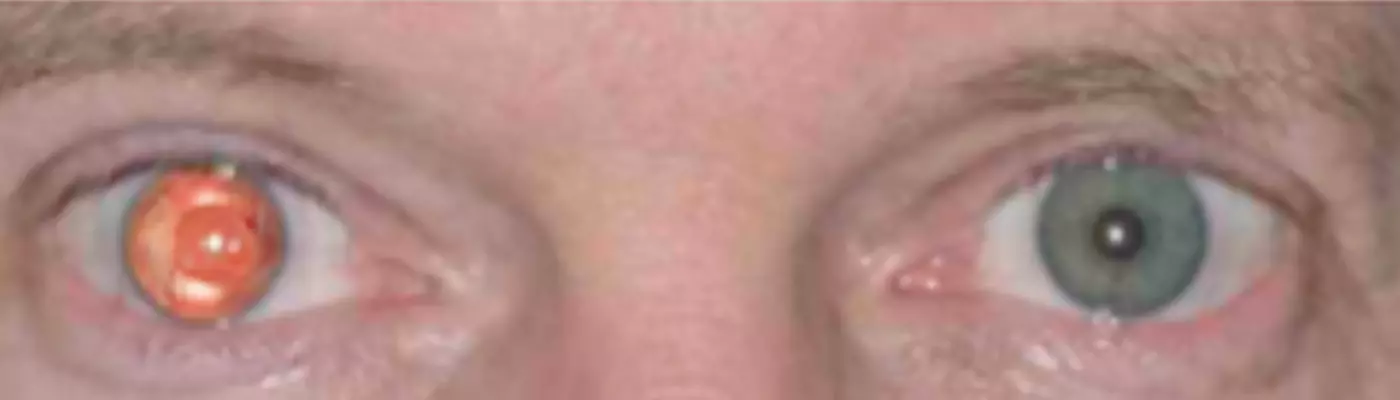
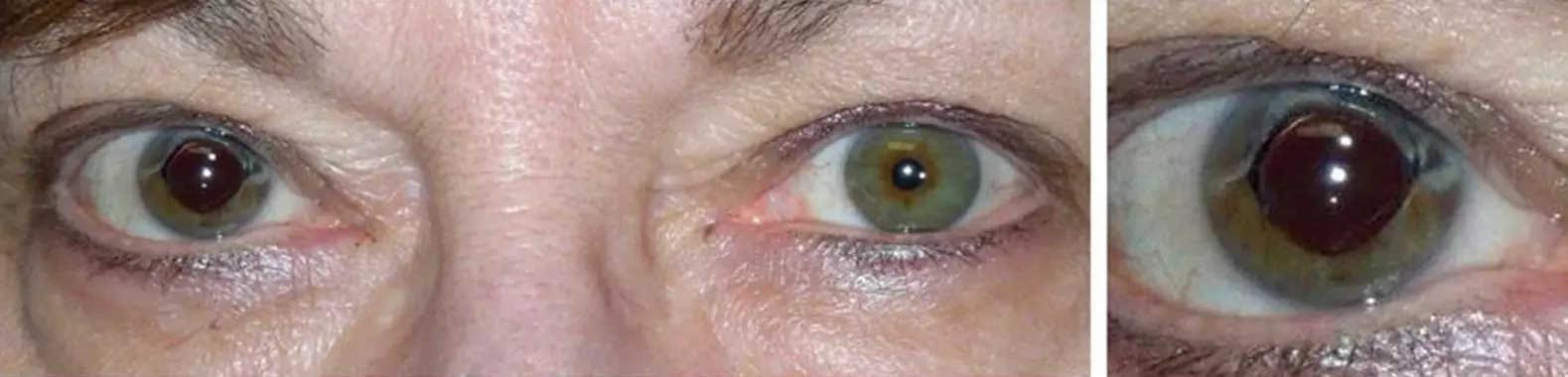
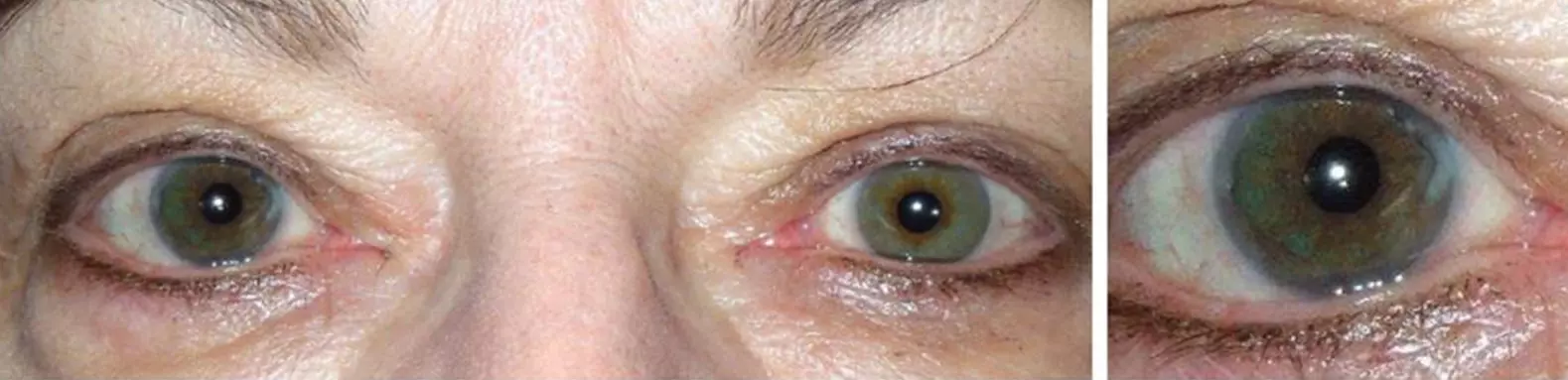
Full or partial aniridia may be caused by congenital as well as acquired defects, like trauma and diseases.

The iris not only gives our eyes their colour and thus our personal appearance, it also plays an important role within the optical system.

Full or partial aniridias not only reduce visual quality due to photophobia, aberration disorders, glare effects and loss in depth of focus, but also cause severe aesthetical limitations.


back to menu

SOLUTION

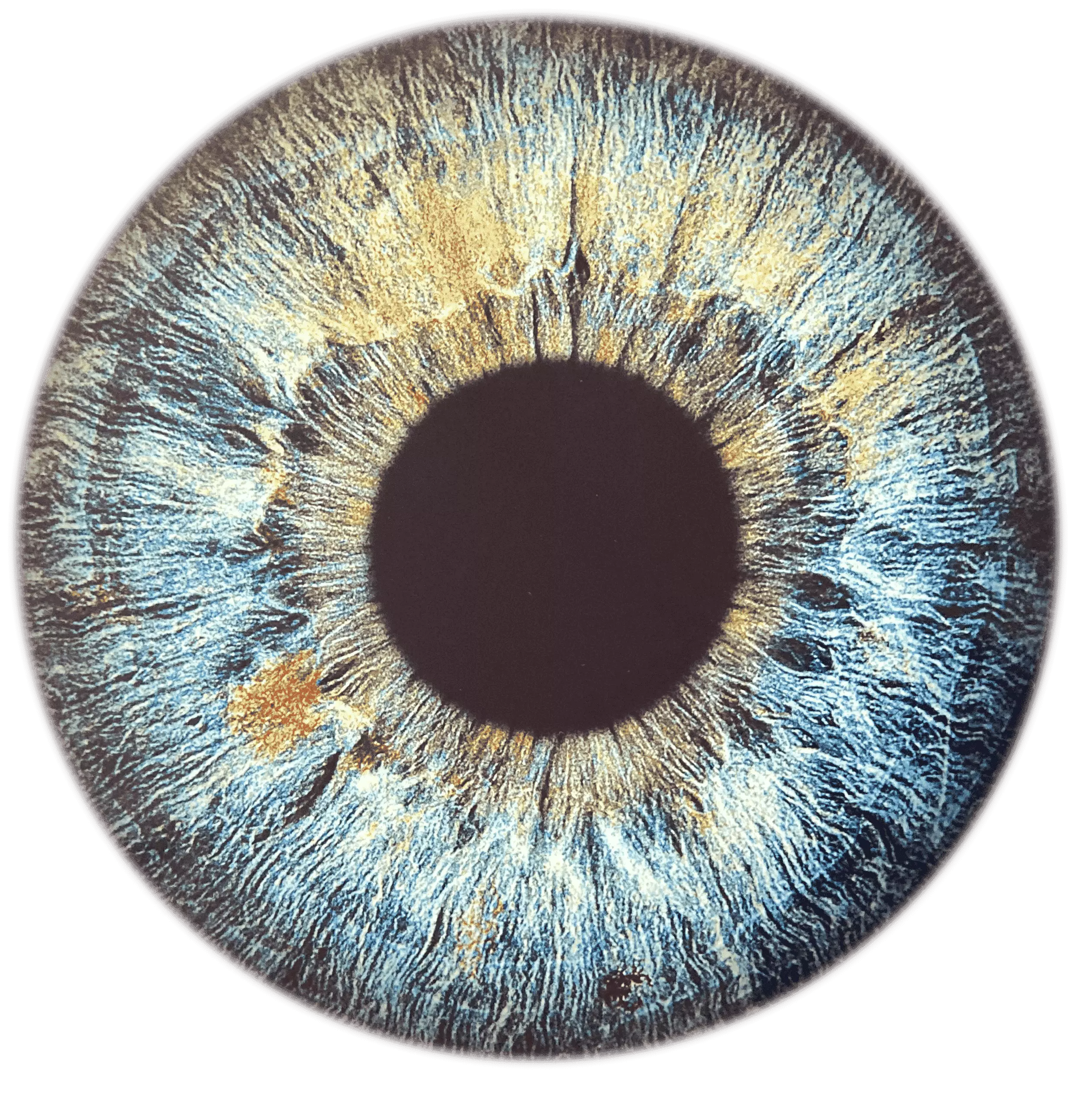
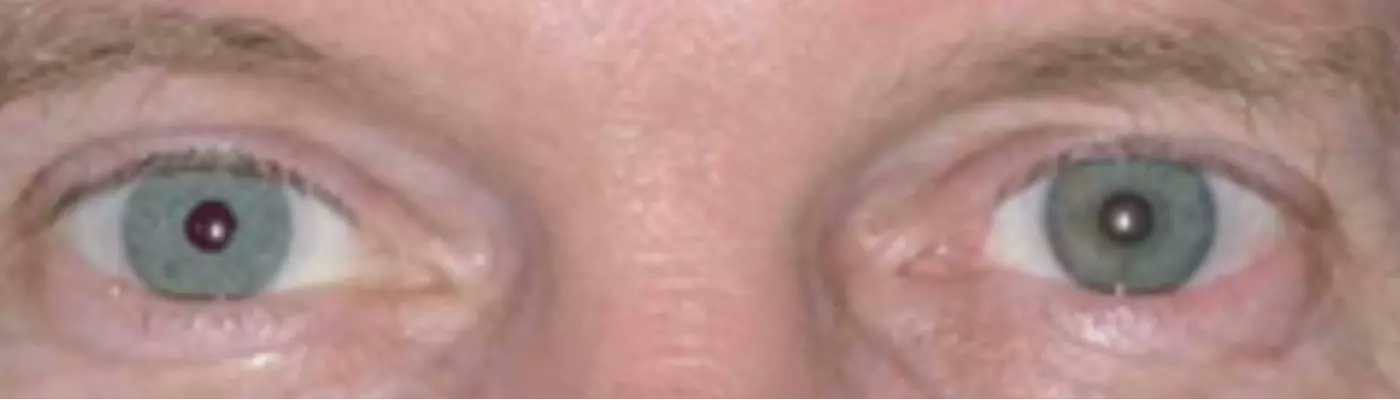
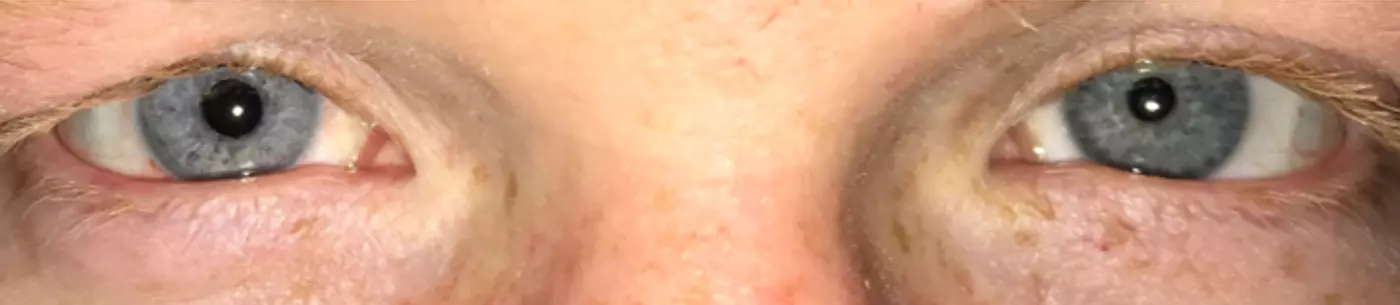
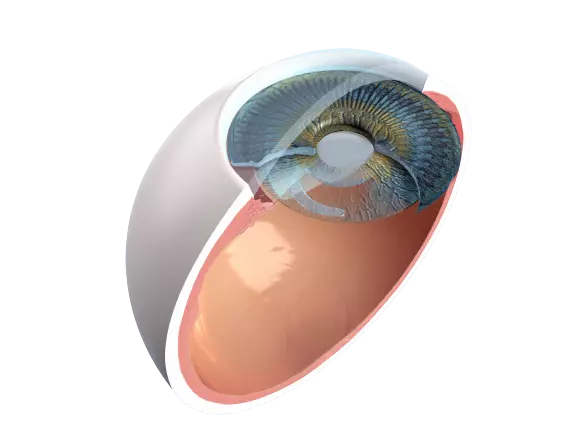
The ArtificialIris, with its fully customized, hand-made colour composition for each patient and its surface structure closely matching the appearance of the natural iris, gives individual aesthetical restoration leading to potentially very high patient satisfaction.

Made of foldable, highly biocompatible silicone material that has been tested and proven with intraocular lenses for many years.

Available in two versions – with polymer fibre meshwork for fixation with sutures and without polymer fibre meshwork – Fibre Free – for sutureless fixation. The ArtificialIris will fit through an incision of about 3.2mm.

Delivered as a 360° iris, the standard 12.8mm overall diameter can be trimmed with a trephine or sharp scissors to custom-fit the device for the treatment of full aniridia and sulcus ciliaris placement. In case of partial aniridia the ArtificialIris can easily be cut in a suitable segment for suturing to the iris remnant.


back to menu

APPLICATION PROCEDURE

Please fill in the order form.

Please proceed according to the enclosed directives for photography and evaluation for the required print-outs.

Please add the required photo print-out of each eye to the signed order form and mail them together to Dr. Schmidt Intraocularlinsen GmbH.

The hand-crafted ArtificialIris prosthesis will be delivered with two stand-by implants each intentionally designed with a slightly different colour composition so the surgeon may choose the best aesthetical option in the operating room; the colour match should be obtained with the prosthesis immersed in the sterile saline solution.

Please note that it is required to combine the procedure in phakic eyes with lens removal and IOL implantation, even if no cataract is apparent. The recommended intraocular placement of the ArtificialIris is the ciliary sulcus.

back to menu

25 FREQUENTLY ASKED QUESTIONS

Number 1

What material is the ArtificialIris made of?
Foldable, highly biocompatible, hydrophobic silicone elastomer - exactly the same proven material as in the Dr. Schmidt silicone intraocular lenses, with colour pigmentation and polymer fibre meshwork (optional), fully embedded within the silicone.

Number 2

Is your ArtificialIris an iris lens?
No, this device does not integrate an intraocular lens, but is independent of an IOL.

Number 3

What is the standard size?
The iris prosthesis comes in one standard diameter of 12.8mm with a standard 3.35mm central aperture, a central circumference thickness of 0.4mm with a final peripheral thickness of 0.25mm.

Number 4

Can you modify the prosthesis?
Yes, you can trim and cut-to-size by trephine or scissors both versions when indicated.

Number 5

Are there different versions to choose from?
There are two versions available: ArtificialIris - WITH Fibre and ArtificialIris - Fibre Free.

Number 6

What is the difference between the two models?
Our model ArtificialIris - Fibre Free is not made to hold sutures, is more flexible and can fit through an incision down to 2.5mm. Our model ArtificialIris with polymer fibre meshwork which is embedded in the silicone, is specifically made for suturing and can fit through an incision of about 3.2mm.

Number 7

How is the ArtificialIris sterilized and delivered?
It is steam sterilized in a primary container, in sterile saline solution, sealed within a sterile pouch and fully labelled including a picture of the contained ArtificialIris.

Number 8

What is your standard production and delivery time?
Delivery time 4 to 8 weeks after receipt of prescription and approved photography.

Number 9

When and where was the first human implantation of the ArtificialIris?
The first ArtificialIris implantation was performed successfully by Prof. Hans-Reinhard Koch, the co-inventor, in November 2002 in Bonn, Germany.

Number 10

Can I use the ArtificialIris for colour change of the eye?
It is not intended for iris colour change as it is not made for anterior chamber placement.

Number 11

What are the stand-by prostheses for and what do I do with them?
The ArtificialIris prosthesis will be delivered with two stand-by implants, as they are hand-crafted each with a slightly different colour composition. The stand-by prostheses are intended for implantation if the primary implant accidentally becomes contaminated. On the other hand they can be utilized for choosing the best aesthetical option in case the colour match of the ArtificialIris prosthesis and remaining natural iris tissue needs to be optimized. The two stand-by prostheses should be returned to the company within 90 days; otherwise they will be invoiced and have to be paid for.

Number 12

Can I implant the ArtificialIris into the anterior chamber in front of the iris or iris remnant?
No, the iris prosthesis is designed for implantation into the posterior chamber. Because of the danger of damage to the corneal endothelium as well as the danger of severe intraocular pressure increase it must not be implanted into the anterior chamber.

Number 13

Is it necessary to perform an iridectomy?
A peripheral iridectomy, to be done by the surgeon in the OR, is always recommended (triangular or stamp-edge shaped).

Number 14

Is it always necessary to reduce the overall diameter of the Artificial Iris with a trephine?
If the ArtificialIris' standard diameter of 12.8 mm is appropriate after measuring the white-to-white diameter plus adding 0.5 mm, we only recommend performing the triangular peripheral iridectomy. Especially in smaller eyes the overall diameter should be reduced for custom fit using a trephine or sharp scissors when indicated.

Number 15

What is the best overall diameter of the ArtificialIris for the recommended sulcus implantation?
Experienced iris surgeons recommend the "over-the-thumb" rule: The best diameter of the ArtificialIris can be determined by measuring the white-to-white diameter and adding 0.5 mm.

Number 16

Which incision size should be used for the two ArtificialIris models?
The ArtificialIris without fibre (Fibre Free) may fit through an incision size down to 2.5 mm, while the model ArtificialIris with fibre meshwork can be inserted through an incision of about 3.2 mm.

Number 17

Which contraindications are known?
The known contraindications include severe chronic uveitis, endothelial corneal dystrophy, microphthalmus, retinal detachment, untreated chronic glaucoma, rubella cataract, rubeosis of the iris and proliferative diabetic retinopathy.

Number 18

What kind of complications can occur?
Possible complications are endothelial damage, retinal detachment and cystoid macular edema, increased intraocular pressure and secondary glaucoma.

Number 19

Can colour dye leach into the eye?
Extensive material testing yielded results showing that no extractable colour pigments are contained. All colour particles are fully embedded inside the silicone material preventing leaching of pigments.

Number 20

How do I order the ArtificialIris?
For ordering the ArtificialIris please send the completed order form signed by the patient and the surgeon and attach the photo print-out of the patient's eyes. When supplying various print-outs, please make sure to mark the best matching picture.

Number 21

Does the patient have to sign the order form?
Yes, since both the surgeon and the patient share the responsibility for the colour matching of the photo print-out. (Please refer to our form: "directives for photography and print-out").

Number 22

Can I send digital photos (images) for you to use as target colour for production?
Please do not send the photos (images) digitally only because we cannot make sure that the appearance of the digital image on our screen is identical to the colour composition of the patient's natural iris. We also cannot verify the colour match to the natural iris when we print out the digital photos ourselves. (Please refer to our form: "directives for photography and print out").

Number 23

Is it possible to implant an ArtificialIris in the sulcus with an IOL located in the capsular bag?
Yes, the recommended procedure is ciliary sulcus placement in combination with an IOL in the capsular bag.

Number 24

Is it always necessary to suture the ArtificialIris in the ciliary sulcus?
No, you can safely implant either version into the ciliary sulcus without sutures. The precondition for the sutureless fixation is a stable and intact ciliary sulcus. Any time suturing is indicated, either for fixation of the full implant behind the iris root or fixation of a segment of the implant to the iris remnant, you will need to order the ArtificialIris with fibre meshwork which is designed to support suturing.

Number 25

How to suture?
The only model which should be used for suturing is the ArtificialIris with polymer fibre meshwork. The puncture and thread should be at least 1 mm inside of the rim of the device in order to guarantee the stability of the suture in the silicone material. Various suturing techniques using straight or curved needles are possible.

HOW TO DIRECTIVES

  • How to take a photo  (PDF | 146 kb)
Since the colour composition of the ArtificialIris is custom designed on the basis of a photo print-out utmost care should be taken to receive the highest quality photograph and print-out for each eye.

Only you and your patient on location can evaluate and select the photo print-out most closely representing his/her natural iris.

Compare the colour of the photo with the natural iris (both, photo and natural iris, under the same illumination, e.g. slit lamp).

If the doctor is not set up for high quality photography and photo print-outs we recommend to send the patient to a professional photographer of their choice to provide the patient and doctor with the high quality photo and print-out of each eye needed for their approval as the target colour for production.


DOWNLOADS

  • Order form  (PDF | 40 kb)


  • Data sheet  (PDF | 59 kb)
  • Publications  (PDF | 25 kb)
  • 25 frequently asked question  (PDF | 61 kb)
  • How to take a photo  (PDF | 146 kb)


CONTACT

Dr. Schmidt Intraocularlinsen GmbH
Westerwaldstr.11-13
53757 St. Augustin
Germany

Tel: +49 (2241)-25787-0
Fax: +49 (2241)-25787-88
mail@dr-schmidt-iol.de
HumanOptics AG
Spardorfer Str. 150
91054 Erlangen
Germany

Tel: +49 (9131)-50665-76
Fax: +49 (9131)-50665-90
hoffmann@humanoptics.com


VIDEOS

To get a login please write an email with your name and address to gerstung@humanoptics.com


© Copyright 2007-2008 HumanOptics AG | Imprint